
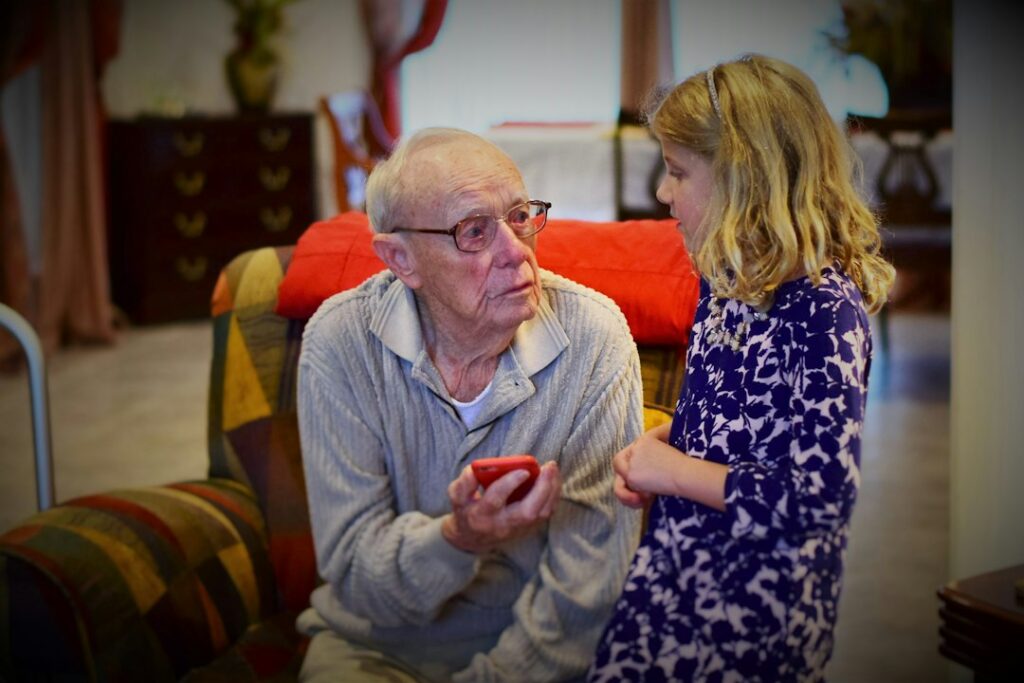
Visiting someone in assisted living should feel comfortable, respectful, and supportive for both the resident and the visitor. A good visit follows the community’s policies, fits the resident’s energy level, and recognizes that assisted living is also the resident’s home.
What should visitors know before arriving?
Visitors should check the community’s current visiting hours, sign-in procedures, health precautions, and any limits on guests before arriving. Policies may differ by building, and they can change during illness outbreaks, severe weather, or other safety concerns.
Before visiting, consider asking:
- Does the resident feel up to a visit today?
- Are children or pets allowed, and are there restrictions?
- Is advance notice required?
- Are there quiet hours or meal times to avoid?
- Is a private room available, or should the visit take place in a shared area?
- Are masks or other precautions requested?
A short phone call can prevent an uncomfortable surprise. It also gives the resident a chance to prepare, rest beforehand, or let the visitor know if another day would be better.
For local households in Honesdale, winter weather, icy sidewalks, and changing road conditions can affect travel plans. Visitors should avoid arriving unexpectedly during hazardous conditions and should allow extra time for safe entry and parking.
How long should an assisted living visit last?
There is no standard length for a visit. Many residents enjoy visits of 20 to 60 minutes, but the right amount of time depends on the person’s health, mood, attention span, and daily routine.
A visit may be ending when the resident:
- Becomes unusually quiet or distracted
- Repeats that they are tired
- Looks toward the door or clock
- Appears uncomfortable in a chair or wheelchair
- Becomes frustrated by conversation
- Says they would like to rest, eat, or return to an activity
Visitors do not need to wait for the resident to become exhausted. Ending while the visit is still pleasant can make the next visit easier. A simple statement such as, “It has been good to see you, and I will let you rest now,” can provide a respectful transition.
Frequent shorter visits may be more enjoyable than occasional long visits, especially for residents who tire easily or have memory-related changes.
What is appropriate to talk about?
The most helpful conversation is usually familiar, calm, and centered on the resident’s interests. Ask questions that invite sharing without creating pressure.
Useful conversation starters include:
- What has been the best part of your day?
- Have you been listening to any music lately?
- Would you like to look at family photos?
- Do you remember this recipe, holiday, or family tradition?
- Would you like to take a short walk or sit near a window?
Avoid turning every visit into an interview. Quiet companionship can be valuable. Reading aloud, folding laundry, looking through photographs, listening to music, completing a puzzle, or watching a familiar program may provide connection without requiring constant conversation.
If a resident tells the same story several times, respond patiently rather than pointing out the repetition. Correcting minor details may cause embarrassment without improving the visit. If the person becomes confused, acknowledge the emotion behind the statement and gently redirect the conversation when appropriate.
How should visitors handle privacy and personal space?
Assisted living residents have a right to privacy, dignity, and control over their personal space. Visitors should knock before entering a room, even if the door is partly open. In a shared room, greet all occupants courteously and ask whether the timing is suitable.
Do not open drawers, read mail, handle medications, or move personal belongings without permission. Avoid discussing the resident’s medical condition, finances, or family disagreements in hallways, dining areas, or other public spaces.
Photographs and videos also require consent. A resident may not want to be photographed, and other residents or staff members should not appear in pictures without permission. This is especially important when posting on social media.
Children should be reminded that a resident’s room is private and that mobility equipment, medical supplies, and personal items are not toys. Younger visitors may need close supervision in unfamiliar surroundings.

Can visitors bring food or gifts?
Food and gifts can be welcome, but they should be checked in advance. A resident may have dietary restrictions, swallowing difficulties, diabetes, food allergies, or instructions related to medication. Some foods may also require refrigeration or create a choking risk.
Before bringing food, ask the resident or appropriate staff member whether it is suitable. Labeling the item with the date and ingredients can be helpful if storage is permitted.
Practical gifts often work better than clutter-producing items. Examples include:
- Large-print books or magazines
- Printed family photographs
- Simple puzzles or craft materials
- Seasonal clothing suited to the resident’s needs
- Hand lotion or other personal-care items approved by the resident
- A small plant, if permitted and easy to maintain
Avoid bringing items that create fall hazards, require complicated care, or conflict with the resident’s preferences. A gift should support comfort, not add responsibility.
What should visitors do around meals, medications, and care routines?
Visitors should respect the resident’s daily schedule. Meals, medication times, bathing, therapy, personal care, and rest periods may be private or time-sensitive.
If staff members enter during a visit, visitors should make room and allow care to proceed without interruption. Questions about care are best handled discreetly and with the resident’s permission. A visitor should not attempt to give medication, assist with transfers, adjust medical equipment, or provide hands-on care unless specifically authorized and trained to do so.
If a resident wants to leave the building or go outdoors, staff should be informed first. This helps the community account for residents and identify any mobility, weather, or supervision concerns.
During colder months, visitors should consider whether outdoor plans are realistic. Snow, ice, wind, and low temperatures can make a short walk unsafe for someone with limited balance or circulation problems. Indoor alternatives may be more comfortable.
What if a resident refuses a visit?
A refused visit is not always a sign of rejection. The resident may be tired, uncomfortable, confused, in pain, worried, or simply seeking quiet time. Visitors should avoid arguing or taking the refusal personally.
A respectful response might be, “That is all right. I will check in another time.” If refusals are sudden, persistent, or accompanied by noticeable changes in mood or behavior, a family member may share the concern with appropriate staff. Staff can help determine whether the change may relate to illness, medication, sleep, stress, or another issue.
The resident’s preferences should remain central. Visits are meant to provide companionship, not pressure.
What etiquette matters when illness is present?
Visitors should postpone a visit if they have fever, vomiting, diarrhea, a significant cough, or another contagious illness. Even a mild infection can be serious for older adults and people with chronic health conditions.
Visitors who recently had a contagious illness should follow the community’s guidance before returning. Hand hygiene upon entering and leaving, covering coughs, and following posted precautions help protect residents, visitors, and staff.
If an in-person visit is not appropriate, alternatives may include a phone call, video conversation, handwritten note, or carefully arranged window visit. The method can change while the connection continues.
Good visiting etiquette is ultimately simple: ask permission, respect routines, protect privacy, watch for signs of fatigue, and let the resident guide the interaction. These habits help preserve independence and make visits more comfortable for everyone in the community.
