
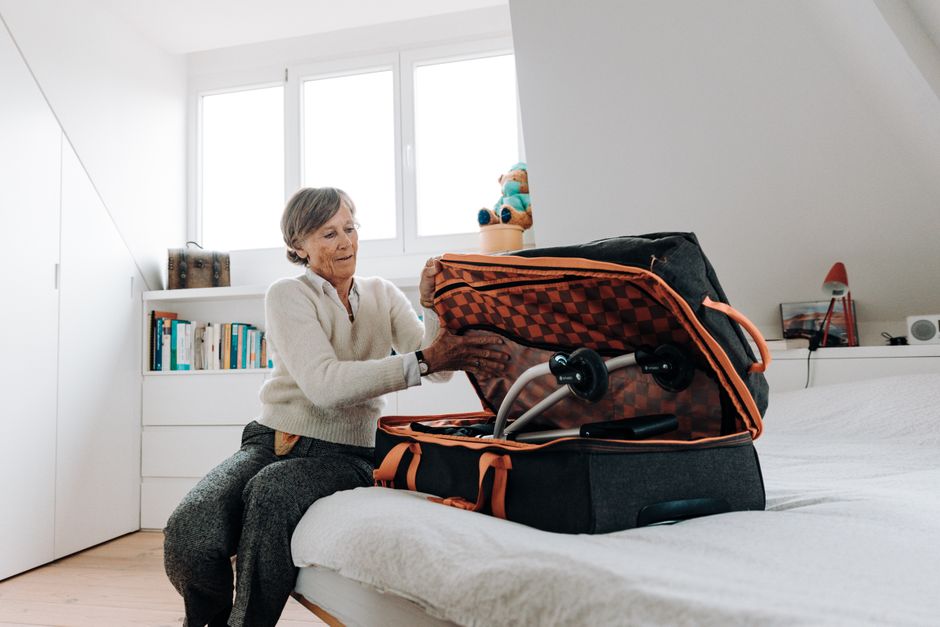
Moving into assisted living usually requires less than people expect. The goal is to bring useful, familiar items that fit the available space, support daily routines, and reduce clutter. A thoughtful packing plan can also make the move less tiring for the resident and family members helping with the transition.
What should be packed first?
Start with the items needed during the first several days, rather than packing the entire household at once. Assisted living apartments or rooms are often smaller than a previous home, and storage may be limited.
A practical first group includes:
- Comfortable clothing for about one to two weeks
- Undergarments, socks, sleepwear, and a robe
- Everyday shoes with secure soles
- Toiletries and grooming supplies
- Prescription and over-the-counter medications, handled according to community policy
- Glasses, hearing aids, dentures, chargers, and other daily-use devices
- A small amount of personal paperwork
- A few familiar items that make the room feel comfortable
Pack these essentials in a clearly marked overnight bag or separate container. Keeping them together prevents important items from being buried among boxes during move-in.
How much clothing is enough?
Most residents need fewer clothes than they initially expect. A smaller, rotating wardrobe is easier to organize, wash, and identify.
Consider packing:
- Seven to ten everyday outfits
- Two or three warmer layers, such as sweaters or fleece jackets
- Two or three pairs of comfortable pants or skirts
- Several shirts appropriate for indoor wear
- One or two outfits for appointments, family gatherings, or special occasions
- A weather-appropriate coat
- Comfortable indoor footwear and sturdy outdoor shoes
- A hat, gloves, scarf, and other cold-weather accessories
- Personal laundry supplies only if the residence requires them
Honesdale, PA experiences cold winters, changing temperatures, and occasional snow or icy conditions. Residents should have warm layers and footwear with good traction, but bulky seasonal clothing can often be stored and exchanged as the weather changes.
Label clothing with the resident’s name, especially socks, sweaters, jackets, and items that may be sent to a shared laundry area. Permanent fabric labels or laundry-safe marking methods are generally more reliable than loose paper tags.
Which bathroom and personal-care items belong in the room?
Bring the products the resident uses regularly, but avoid creating duplicate supplies before learning what the residence provides. Many assisted living settings supply some basic items, while others expect residents to bring their own.
Common personal-care items include:
- Toothbrush, toothpaste, floss, and denture supplies
- Comb, brush, hair products, and shaving supplies
- Moisturizer, lip balm, and sunscreen
- Deodorant and preferred soap
- Incontinence products, if needed
- Nail-care supplies, if permitted
- Shower shoes or a nonslip bath mat if the residence allows them
- Adaptive tools such as a long-handled sponge or easy-grip comb
Ask about bathroom features before packing equipment. A private bathroom may already have grab bars, a shower chair, or other safety features. Personal electrical appliances, space heaters, and certain extension cords may be restricted for fire-safety reasons.
What medications and health items should be packed?
Medication preparation needs special attention. Do not place loose prescription medications in moving boxes or assume the resident can manage them in the same way as before.
Before move-in, clarify:
- Whether medications are administered by staff or self-managed
- How prescriptions should be delivered and labeled
- Which over-the-counter products require approval
- How vitamins, supplements, creams, eye drops, and inhalers are handled
- Whether a current medication list is required
- Where medical equipment will be stored
Bring a current list of medications, doses, schedules, allergies, and prescribing information. Include contact details for relevant medical offices, though the resident may not need a large collection of old medical records.
Useful health-related items may include a blood pressure log, hearing-aid supplies, eyeglass cases, a walker or cane, a small first-aid kit if permitted, and extra batteries for approved devices. Large equipment should be measured against the room layout before moving day.
Which personal items help a new room feel familiar?
Familiar belongings can make a new setting feel more personal, but the room does not need to be filled with furniture or decorations. Choose items connected to daily habits, family, hobbies, and memories.
Helpful choices may include:
- A few framed photographs
- A favorite blanket or quilt
- A small clock with easy-to-read numbers
- A familiar chair, if the room can accommodate it
- A radio, tablet, or other approved entertainment device
- A small collection of books
- Simple craft or hobby materials
- A calendar, notebook, or large-print reading material
- A meaningful religious or cultural item
- A favorite decorative object
Avoid bringing irreplaceable heirlooms, expensive jewelry, large collections, or fragile items that require frequent handling. A photograph of a larger collection can preserve the memory without taking up valuable space.
What documents should be kept accessible?
Important documents should be organized in one secure folder rather than scattered through boxes. The resident or designated family member may need quick access to:
- Identification documents
- Insurance information
- Emergency contacts
- Advance directive or health care representative information
- A medication and allergy list
- A list of medical conditions
- Recent provider contact information
- Legal or financial documents required for admission
- Copies of keys or access information, if applicable
Keep original legal documents secure. Provide copies when appropriate and ask where records should be stored. Avoid packing documents in checked luggage, an unmarked box, or a drawer that may be difficult to access.
What should not be packed?
Some household items create safety, storage, or maintenance concerns. Policies vary, so the residence’s written guidelines should take priority.
Items that may be restricted include:
- Candles, incense, and open-flame devices
- Portable heaters
- Cooking appliances
- Firearms and ammunition
- Large quantities of cleaning chemicals
- Loose rugs that can slide or curl
- High-value jewelry
- Excess furniture
- Extension cords or power strips that are not approved
- Perishable food stored without a plan
- Too many duplicate toiletries or clothing items
The question is not only whether an item is allowed. It is also whether the resident can use it safely, whether staff can identify it, and whether it will make the room harder to navigate.
How can packing be adjusted for memory loss or mobility concerns?
Residents with memory loss often benefit from visual cues and a simple, consistent room arrangement. Pack familiar clothing, labeled drawers or bins, recognizable photographs, and a clock or calendar that is easy to read. Avoid excessive decoration, confusing patterns, or too many similar containers.
For residents with mobility concerns, leave clear walking paths around the bed, bathroom, and seating area. Keep frequently used items within easy reach, but do not place objects where they could become tripping hazards. A small basket for glasses, hearing aids, tissues, and personal electronics may be useful if it does not obstruct movement.
Families should also consider how the resident will reach seasonal clothing, laundry, and personal supplies. The most practical setup is usually simple enough for the resident to understand and safe enough for staff to assist with easily.
What is the easiest way to organize the move?
Pack by function rather than by room. For example, use separate containers for clothing, medications and health information, bathroom supplies, personal items, and documents. Label each box on the top and at least one side.
A basic inventory can record:
- Item category
- Quantity
- Location in the new room
- Whether the item is valuable or sentimental
- Whether it needs charging, maintenance, or special handling
Take a few photographs of valuable belongings before the move and keep a simple record of what was brought. This is especially helpful when clothing is laundered outside the resident’s room or when several family members assist with unpacking.
Pack the resident’s daily essentials last so they remain easy to find. Set up the bed, bathroom supplies, medications according to policy, glasses, hearing aids, clothing, and favorite personal items before unpacking less urgent boxes. A familiar and uncluttered first evening is often more helpful than a fully decorated room.
