

How Can Assisted Living Residents Personalize Their Space?
Personalizing a living space is a meaningful way for assisted living residents to feel more at home from the start. The process can begin right as someone settles into their new residence, whether that’s a private room or a shared suite.
Some practical ways local residents often personalize their spaces include:
- Bringing in cherished items like family photos, artwork, or a favorite quilt—these familiar touches often offer comfort and a sense of continuity.
- Using small furniture pieces, such as an armchair or bedside table, as long as they fit comfortably and safely within the room.
- Choosing bedding, curtains, or throw pillows in preferred colors and textures, aligning with seasonal needs from the region's cool winters to warm summers.
While each community will offer guidance on what can be safely accommodated, most encourage these small gestures that reduce the sterile feel of a new environment.
What Daily Routines Help Residents Settle In?
Establishing a predictable daily routine helps new residents adjust and regain a sense of stability. Many in the community find that blending familiar activities with new opportunities keeps each day grounded but interesting.
Examples of routine-building activities include:
- Morning rituals like reading the newspaper with coffee or tending to a small indoor plant.
- Setting regular times for meals, socializing, or exercise, which can mirror schedules from earlier home life.
- Participating in hobby groups—crafting, puzzles, gardening, or light fitness activities—available within the community.
In Honesdale, routines may naturally shift with the seasons, such as adding walks outdoors in spring or enjoying sunrooms during snowy months. Gradually participating in shared or individual routines can make the environment feel less institutional and more welcoming.
Are Connections With Neighbors Important?
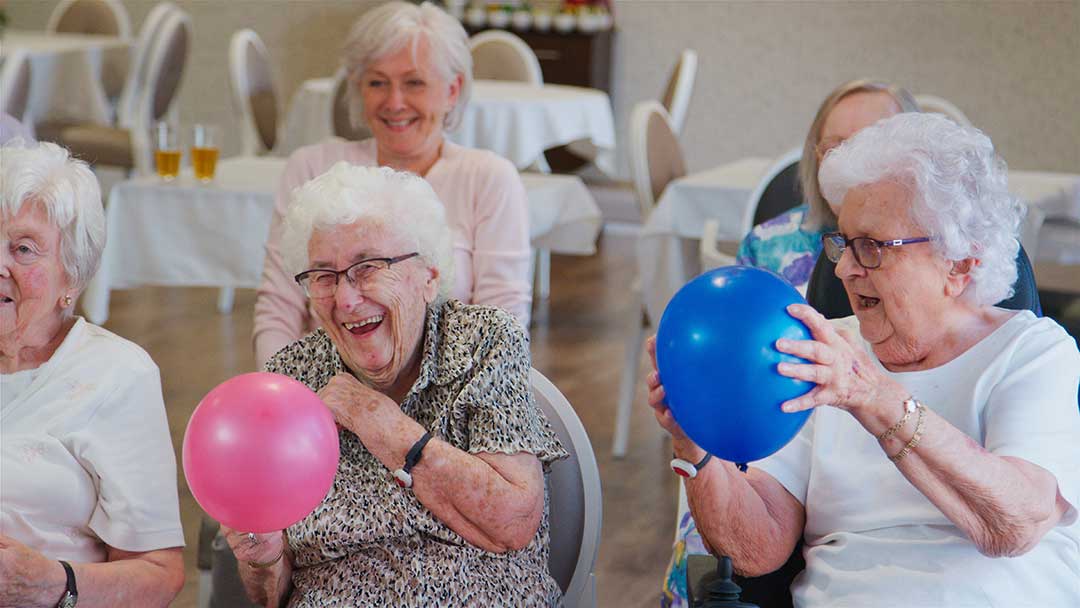
Building relationships with neighbors and staff often improves the quality of life for residents. While not everyone is naturally social, even small greetings or shared meals can develop a sense of belonging.
Some ways to foster local connections include:
- Attending community events, whether group meals, holiday celebrations, or educational talks.
- Joining activity or discussion groups focused on literature, art, or shared local interests.
- Simply spending time in communal areas—lounges, gardens, or activity rooms—where casual interactions are likely.
Staff members can support the transition by offering conversation, orientation, or a helping hand as needed. Over time, these personal connections can turn an unfamiliar setting into a supportive community.
How Does Local Climate and Landscape Affect Assisted Living Comfort?
Seasonal climate in the area often influences how residents make their environment feel cozy and safe. During long, cold winters, focusing on warmth, lighting, and accessible social areas is especially helpful.
Residents commonly:
- Layer up with personal blankets and cozy, familiar clothing.
- Use small, flameless lamps or string lights for added warmth and ambiance, which help brighten darker days.
- Move seating close to windows to enjoy changing outdoor scenery, especially when snowfall makes mobility outdoors limited.
Spring and summer invite more time in community gardens or outdoor spaces if mobility allows. Connecting with nature—even through a window or in a protected courtyard—often boosts mental well-being.
What Are Common Misconceptions About “Home” in Assisted Living?
One frequent misconception is that assisted living environments must feel sterile or impersonal. Local residents often find, however, that thoughtful personalization and participation transform these spaces.
Another misconception is that adapting to assisted living means giving up independence or individual style. Most communities expect and support residents to bring their tastes and preferences into daily life as much as safely possible, within the guidelines of communal living.
It’s also sometimes believed that social opportunities in assisted living are limited or not meaningful. In reality, there are often more opportunities for connection than many people expect—and residents can choose their own level of involvement according to comfort and energy.
What Should Families Keep in Mind?
Families play a crucial role during the transition. Bringing personal mementos, helping set up the room, and joining in initial activities can ease the adjustment. Listening to residents about what matters most to them—privacy, certain treasured objects, the daily schedule—sets a foundation for comfort and happiness.
It’s also useful for loved ones to stay involved, visiting regularly when possible and staying in touch by phone or video during harsh weather or changing seasons. This makes the space feel like home, not just for the resident, but for the whole family.
