

What Are Essential Amenities for Assisted Living?
Essential amenities set the baseline for comfort, safety, and quality of life in assisted living communities. Residents and their families often prioritize convenience, accessibility, and basic needs. In Honesdale, PA, standard amenities reflect local housing styles and the region’s four-season climate, focusing on practical daily support and year-round well-being.
Most communities in the area offer:
- Private or semi-private living spaces with accessible bathrooms
- Nutritious daily meals that accommodate dietary needs
- Housekeeping and laundry services
- 24-hour supervision and help with daily tasks like bathing, dressing, and medication
- Emergency call systems tailored for quick assistance
Heating and cooling tailored for Northeast Pennsylvania’s winters and summers is also a priority, as are wide, well-lit hallways and step-free access for residents using mobility aids.
Which Social and Recreational Features Matter Most?
Engagement, social connection, and purposeful activity improve health and happiness in assisted living. Programs and common spaces vary, so understanding what works best for local residents is key.
Some valuable features include:
- Organized group activities—games, art, exercise classes, and music suited to varying abilities
- Community rooms for gatherings, hobbies, or movie nights
- Outdoor areas like accessible gardens or patios; these give residents chances to enjoy fresh air, especially appreciated given the city’s leafy scenery and changing seasons
- Opportunities for local excursions—short van trips to parks, farmers markets, or cultural events, which can often be found throughout Wayne County
A common misconception is that all assisted living communities offer robust activity calendars. In reality, offerings can differ widely, so reviewing sample schedules or asking about personalized recreation is a useful step before choosing.
How Does Dining Impact Quality of Life?
Dining is often central to daily routines and well-being for older adults. Most settings in Honesdale prioritize communal meals, which encourage socializing and make it easier to monitor residents’ nutrition.
Helpful dining features typically include:
- Varied menus, with multiple choices at each meal
- Flexible dining hours to suit different routines
- Accommodation for special diets and food allergies
- Comfortable, restaurant-style dining rooms, as well as options for in-room meal service
Especially in the local context, menus may change with the seasons, offering familiar or regional dishes that feel comforting.
What Safety and Security Features Should Residents Expect?
Safety features go beyond locked doors. In apartments and throughout common spaces, thoughtful design and technology help prevent accidents and respond quickly in emergencies.
Key safety features to look for:
- Grab bars and non-slip flooring in all bathrooms
- Walk-in showers and accessible ingress/egress for all units
- Emergency response systems—call buttons or wearable pendants
- Adequate nighttime lighting in hallways and outdoor areas
- Secure entrances and visitor check-in to protect residents’ privacy
Given Honesdale’s winter conditions, the most thoughtful communities also manage snow removal and keep sidewalks and driveways safe for all residents and visitors.
How Do Health and Wellness Services Support Aging in Place?
Reliable health and supportive care aid residents in maintaining their independence as needs change. Area communities often tailor their services to fit Pennsylvania’s state regulations, but local residents may find some differences in how care is delivered.
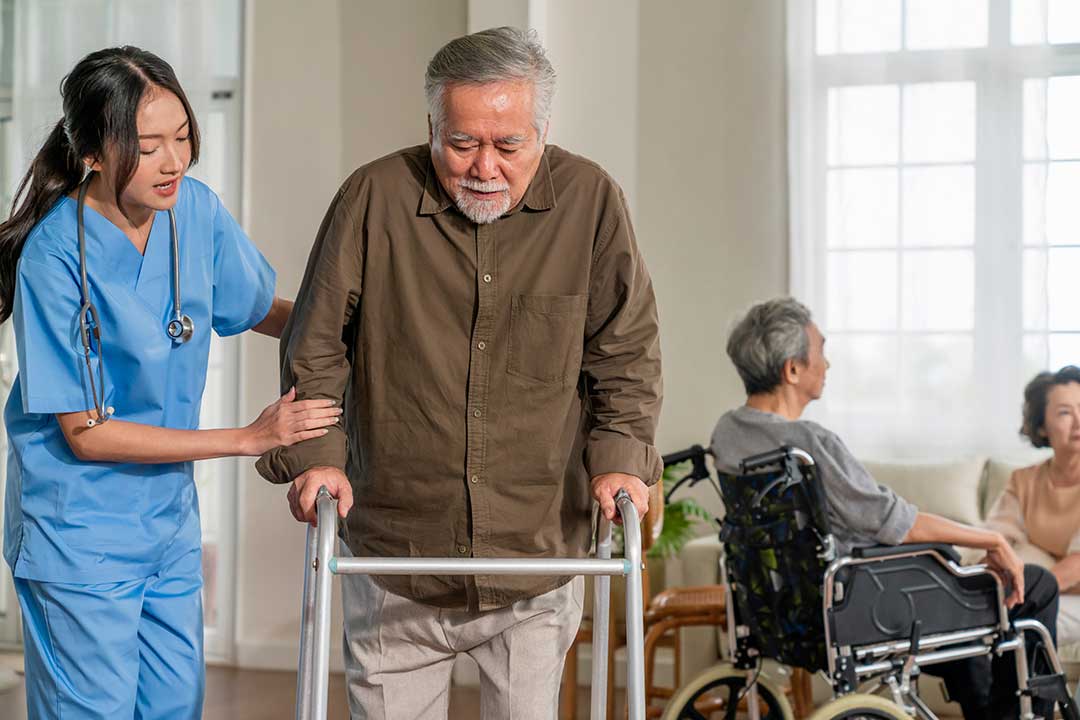
In many places, available services include:
- Medication management, including reminders and administration as prescribed
- On-site nursing assistance or visiting nurse support for chronic conditions
- Help coordinating care with local primary care doctors or rehabilitation providers
- Transportation to local medical appointments
- Assistance with mobility or physical therapy inside the community
Families sometimes overlook the importance of on-site staff training and continuity of care. Ask specifically about staff-to-resident ratios and how care plans are updated when health needs shift.
Are There Lesser-Known Features That Enhance Daily Life?
Beyond basic necessities, small amenities can add a sense of comfort, privacy, or dignity. Some features that residents in Honesdale value in particular include:
- In-room temperature controls for adjusting to changing weather
- Private mailboxes or access to postal services
- On-site salons or barber services, creating opportunities for pampering and routine grooming
- Personalization options for living spaces (within guidelines), helping residents feel more at home
Access to guest accommodations or private dining options for family visits can also make a difference, especially for those who have loved ones traveling from outside the city.
What Should Residents Ask About When Touring a Community?
Preparing specific questions can help ensure there are no surprises and that amenities match real needs:
- Are outdoor areas easily accessible and maintained throughout all seasons?
- How does the community handle inclement weather, especially during winter?
- What opportunities exist for residents to be involved in planning activities or volunteer efforts?
- How are dietary needs evaluated and accommodated over time?
- Can family members join meals, activities, or events easily?
By focusing on the features that support daily comfort, connection, and safety, local residents can choose settings where assisted living feels like home within the unique context of Honesdale.
